
Searching Cases by Name
A name alone will not find a Lee County case. You need the court first. Once you have that, try spelling variants in an index. Then confirm what you pull: the cause number, the filing date, each party's role, the attorneys, the case type, and the docket entries themselves. No free public one-box search covers every trial court in Lee County. PAMEC opens participating records after registration. Chancery posts date-based calendars. Justice Court works through its office and phone. Each municipal court keeps its own city records.
- Identify the likely court from the case category, place, citation, or paperwork already in hand.
- Use an official court channel and enter a name only where that channel permits it, preserving alternate spellings for comparison.
- Open or request the matching case only after the cause number, court, date, and record type fit the known matter.
- Use the clerk, courthouse terminal, or a focused document request when the online result lacks the needed docket entry or order.
The public First Circuit calendar shows no name, court, date, or case query fields before login. All a visitor sees are username and password boxes. So that login gate is not a public case-name search form.
| Known access field | Type | Required | What the research confirms |
|---|---|---|---|
| First Circuit username | Text | Yes | Login field for registered calendar access, not a public case-search field. |
| First Circuit password | Password | Yes | Required for the visible calendar login. |
| PAMEC user type | Choice | Yes | Attorney, Non-Attorney, or Firm Administrator at registration. |
| Cause number | Exact identifier | Best available | Preserve punctuation, year, county code, and suffix when routing any request. |
Lee County Case Search Is Split
Lee County's court records are a map of many offices, not one courthouse database. The Circuit Clerk holds Circuit, County, and Youth Court files. Chancery matters, plus a separate land-record index, belong to the Chancery Clerk. Justice Court runs its own office. Every municipal court has its own clerk. Federal cases sit in the Northern District of Mississippi's CM/ECF and PACER system. Search the wrong system and you may get a no-result even though the record exists. First Circuit MEC CourtInfo lists Lee County Circuit Court and Lee County County Court as venues. It also describes the court system. But it offers no free public countywide search box.
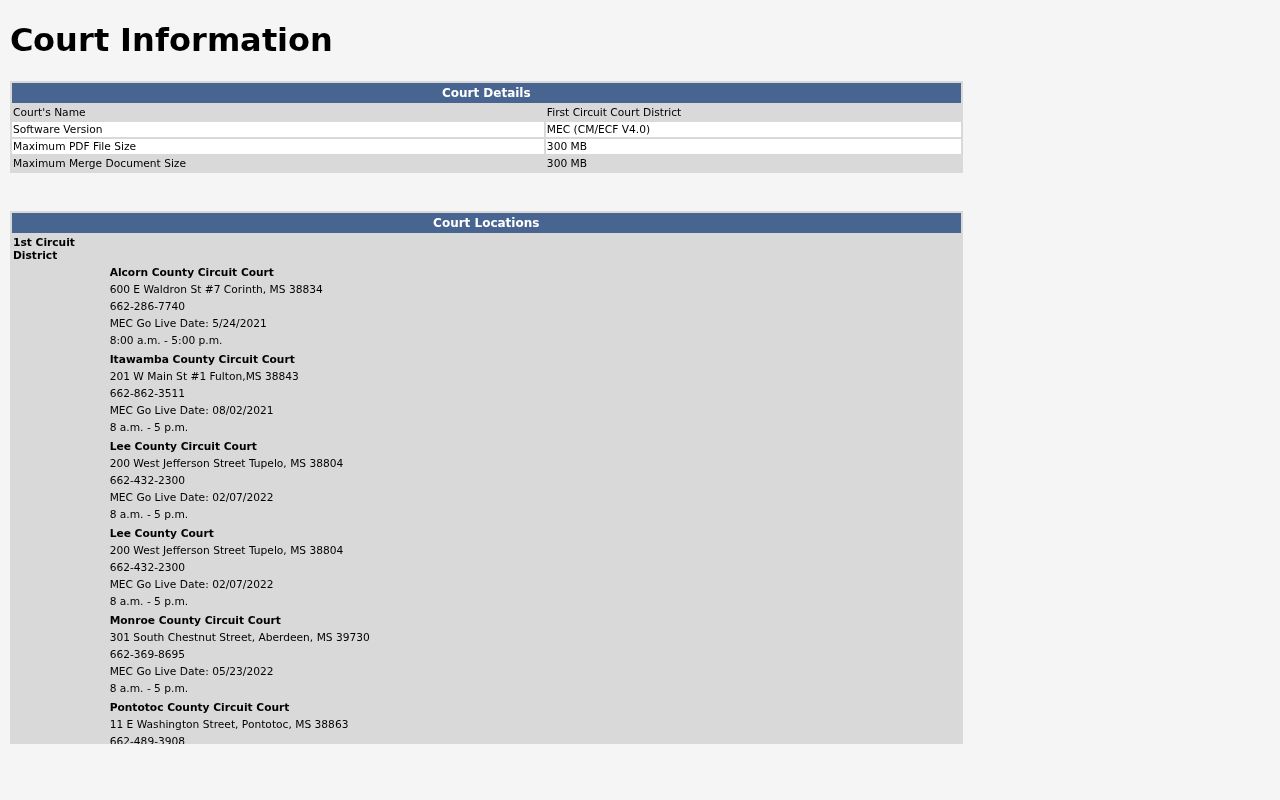
CourtInfo is still a handy first stop. Pick the right court environment there, then ask the clerk or PAMEC for the case file you need.
Searching by Case Number
A cause number beats a name almost every time. Type it exactly as printed. Hyphens, year, county code, and suffix included. A sample Lee County Chancery calendar follows a pattern like 26-####-41-M. It marks the Lee code in its calendar material. That pattern helps you spot a Lee County calendar row. It cannot manufacture a valid number for a different case or court. Circuit, County, Justice, municipal, and federal files each carry their own formats. If the case is a lower-court appeal, keep the original number. Ask whether the clerk created a new County Court, Circuit Clerk, or appellate number. For a federal question, use the federal case number. Choose the Northern District of Mississippi when you know the venue. A precise identifier also makes any mail or counter request easier for the right clerk to route.
PAMEC for Lee County Case Search
PAMEC registration is the public read-only door to participating Mississippi Electronic Court records. Signing up involves an annual $10 registration fee. It also takes a user-type choice, a payment method, security questions, a CAPTCHA, and a final submission step. Most people researching Lee County court records fit the Non-Attorney category. Access stays read-only unless you hold a filing account. Beyond the login screen, the system does not advertise hidden filters or any universal Lee County query form. MEC procedure instead allows free electronic access for public users at the clerk's office during regular hours. Copies are priced at statutory fees. Treat PAMEC as one access channel. It does not replace the right clerk. It does not promise that every court file is online.
What a Case Search Returns
What a docket search returns depends on the system. A Chancery calendar lists the cause number, the parties, attorneys in order, the nature given in the order, an estimated time, and a status label. MEC CourtInfo displays court and system information, while lawful PAMEC access can open participating case files and documents. A municipal historical docket is built around citations. None of these is the whole court record. Check any status word against a docket entry or signed order before relying on a calendar row or payment result.
| Court and cause number | Identifiers that establish which clerk and docket system hold the matter. |
|---|---|
| Parties and role | Public naming and role information where the source permits it; a similar name alone is not enough. |
| Case type | Classification such as civil, criminal, domestic, probate, youth, traffic, or municipal. |
| Setting or entry | A calendar date, docket event, or filing reference. Read it with the current court and date. |
| Order or disposition | The filed ruling or judgment controls; a calendar label does not replace it. |
Lee County Case Search Calendar
First Chancery public dockets are organized by chancellor and date. There is no broad party-search screen. Open the judge and date page. Find the Lee County cause number. Then call the Chancery Clerk for the actual document or file. A continued or settled label can explain why a hearing moved. Without the linked order or docket entry, it says nothing about the case's effect. First Chancery dockets are the official public calendar channel for this route.
Statewide vs County Case Search
Mississippi's PAMEC is a statewide subscriber layer for participating trial-court case files. Yet no free public one-box search covers every Lee County court. Keep the systems straight. PAMEC and CourtInfo stand apart from the First Chancery calendar, the Justice Court office, city payment systems, and federal PACER. Use the statewide layer for a participating case. Then turn to the specific clerk and system for the actual court record.
| PAMEC or federal system | Lee County court-specific route |
|---|---|
| Participating MEC records or federal cases, subject to registration and system rules. | Circuit Clerk, Chancery Clerk, Justice Court, or municipal clerk for the court that holds the file. |
| Read-only public access through PAMEC; PACER provides federal access and fee rules. | Public calendar, office counter, courthouse terminal, phone routing, mail request, or certified-copy request. |
| Best when the court system and case number are known. | Best when the record type, local court, or copy requirement needs clerk confirmation. |
Lee County Case Search Details
Write down the details that separate one case from the next. The cause number matters. So do the court and division, the filing date or year, and the case type. Add each party's role, the attorney if that is public, the setting, and the status. A Chancery calendar may add more. It can list the nature named in an order or an estimated hearing time. A docket entry tells you a filing or court action happened. The order itself holds the controlling text. Details like these turn a bare name hit into a court-specific record request.
Read the terms with care. Continued only means a setting moved, not that the case ended. A calendar marked settled may still wait for a filed dismissal or agreed order. A closed flag can describe administrative status and say nothing about the merits. Match each term to the docket entry or signed order before calling it a result.
Lee County Case Search by Phone
Lee County Justice Court posts no countywide online case-search form. The phone is the tool. Call 662-432-2500 with the court district, a citation or cause number, a name if needed, an approximate date, and the record type. Holding a Lee County traffic citation? Ask whether it is payable, set for plea, set for trial, or held for appearance. On a civil case, ask for the filing date, the parties, the cause number, and whether an abstract or appeal was entered. If a Justice case was appealed, keep the lower-court number and follow up with Lee County Court or the Circuit Clerk.
Municipal cases run through each city clerk. Tupelo, Saltillo, and Verona offer payment-oriented online routes. Baldwyn and Guntown offer no public online docket search. A payment lookup that returns a transaction is still not a full docket or an order.
Access and Restricted Cases
Public access has limits, and not every document is online or unredacted. Youth Court matters carry confidentiality rules. Lee Chancery treats adoption records as sealed. MEC records can bear flags for sealed, expunged, minor-child, or other restrictions. Protected material may span Social Security or tax numbers, dates of birth, minor names, financial accounts, home addresses, medical information, confidential exhibits, and redacted documents.
Choose your words for an empty result with care. Say the case is not publicly visible in the searched system. Say access is restricted. Say clerk confirmation is required, or that the wrong court may have been searched. A pending matter is not a finding of liability or guilt. And a closed flag can be administrative rather than a full account of the result.
Lee County Case Search Zero Results
A zero result can mean many things. The wrong court or county was searched. The number was formatted differently. Or the file is sealed or expunged, an appeal created a new number, the record predates an electronic index, or a vendor or calendar is unavailable. Never treat an empty screen as proof that no case exists. Instead, gather the court name, the exact cause number, the filing year, the category, the judge or division if known, and the specific document or status you need, then ask the responsible clerk to confirm the route.
When you locate a docket but not a document, the clerk can tell you whether the material is restricted, not scanned, available at a public terminal, or held in another file. The Lee County court records route explains the document and copy channels. It covers them once a case is identified.
Lee County Federal Case Search
Federal cases never sit in the Lee County trial-court systems. Begin at PACER or its nationwide Case Locator. Select the Northern District of Mississippi when you know the venue. PACER lets you search by case number, party name, attorney, court, and filing date. Fees run $0.10 per page with a $3 cap per document. Transcripts are excepted. The fee is waived each quarter when usage is $30 or less. Check the current PACER terms before you rely on the system.
PACER’s fee information shows the official pricing. That pricing stands apart from any Lee County clerk-copy fee.
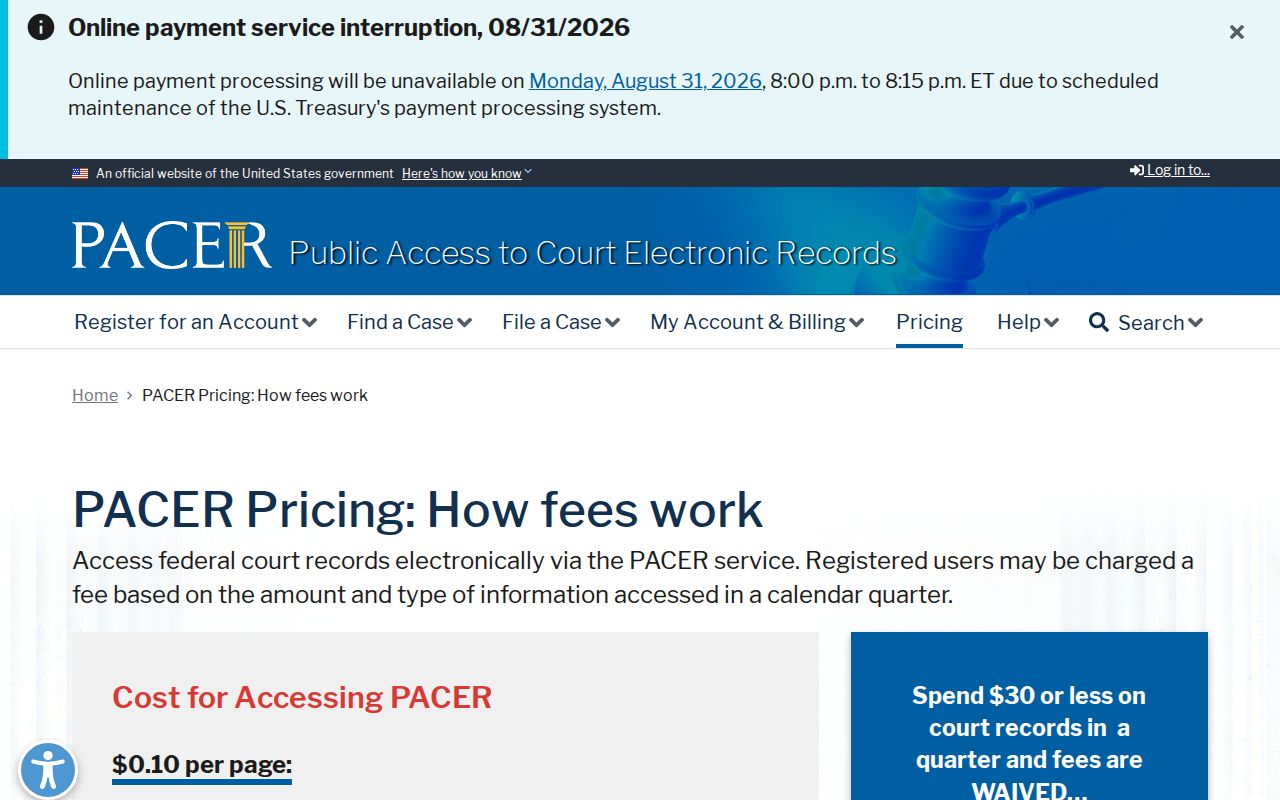
Keep federal costs and access rules separate from the PAMEC, Chancery, Justice, and municipal routes for Lee County dockets.
Lee County Case Search Appeal Links
For federal matters, the Northern District of Mississippi is the clerk to rely on. Its CM/ECF system holds the official district docket. Any appeal from a Lee County case that reaches federal court lands here.
Start with CourtListener, which runs the free RECAP archive of federal filings. It is incomplete, though. Contributors upload copies as they go. A missing entry there does not mean no federal filing exists. An appeal can also spawn a separate Fifth Circuit cross-reference. The district docket stays put.
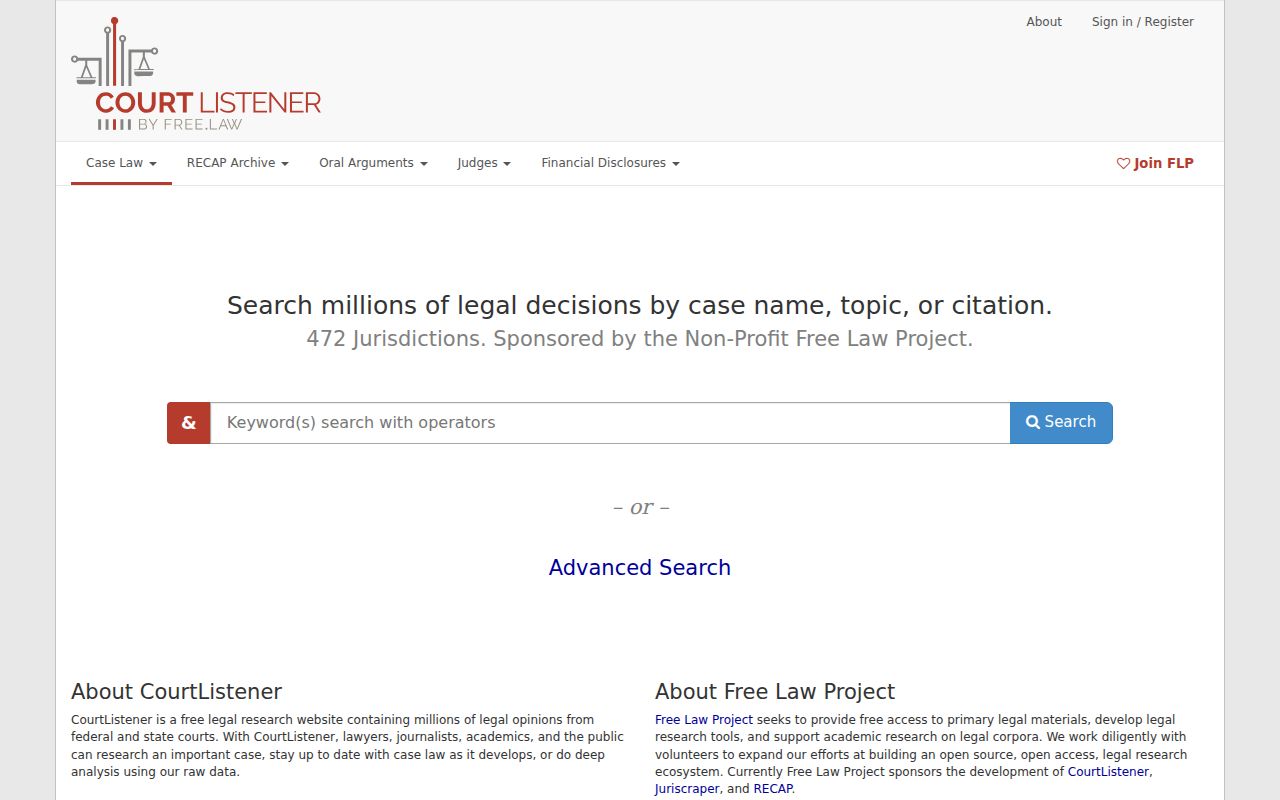
A free archive is only a lead in federal matters. It cannot replace the official docket or reveal the contents of a missing document. PACER is the entry point for the official federal case search.
Federal courts are a separate jurisdictional branch. They are not a final fallback for a missing Lee County municipal or Justice Court file. The Northern District court page names the official federal venue for these records.
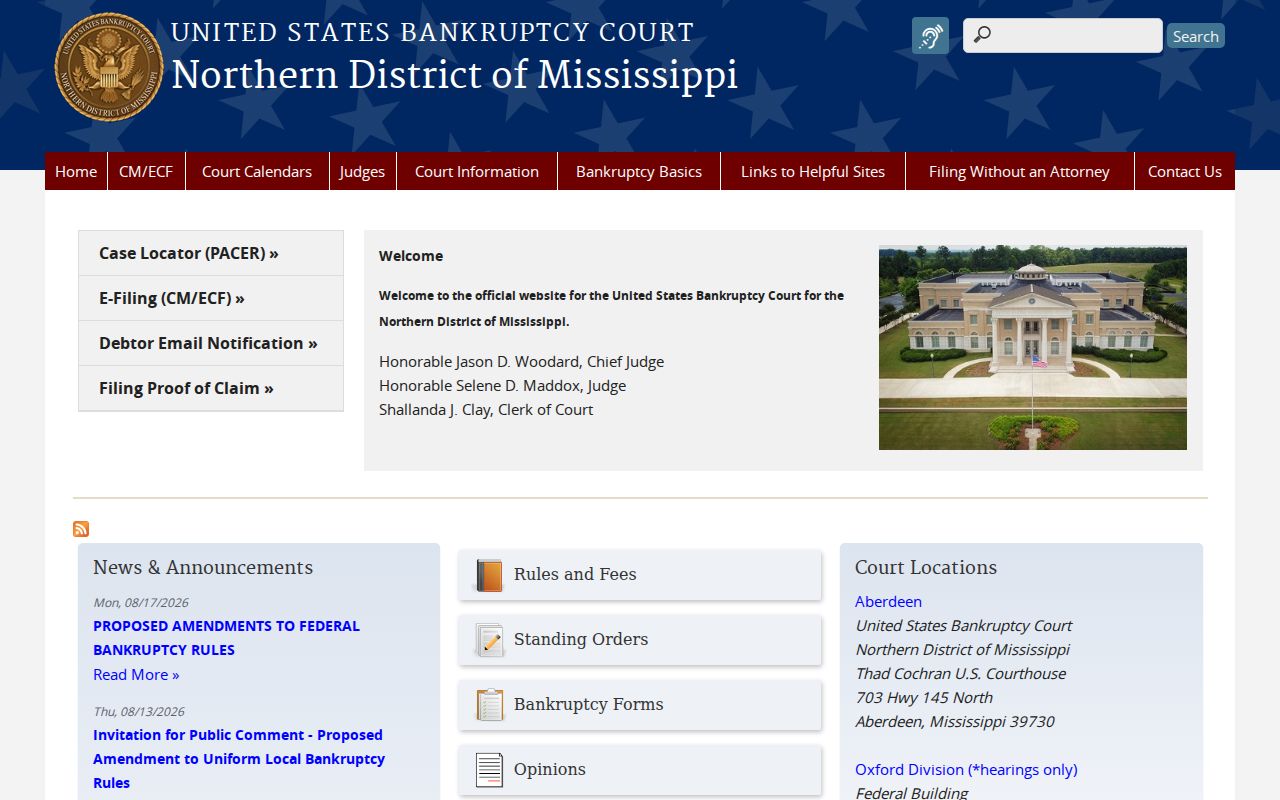
To verify a federal docket or document request, use the district court’s own records path. The Fifth Circuit may hold a separate appeal record.
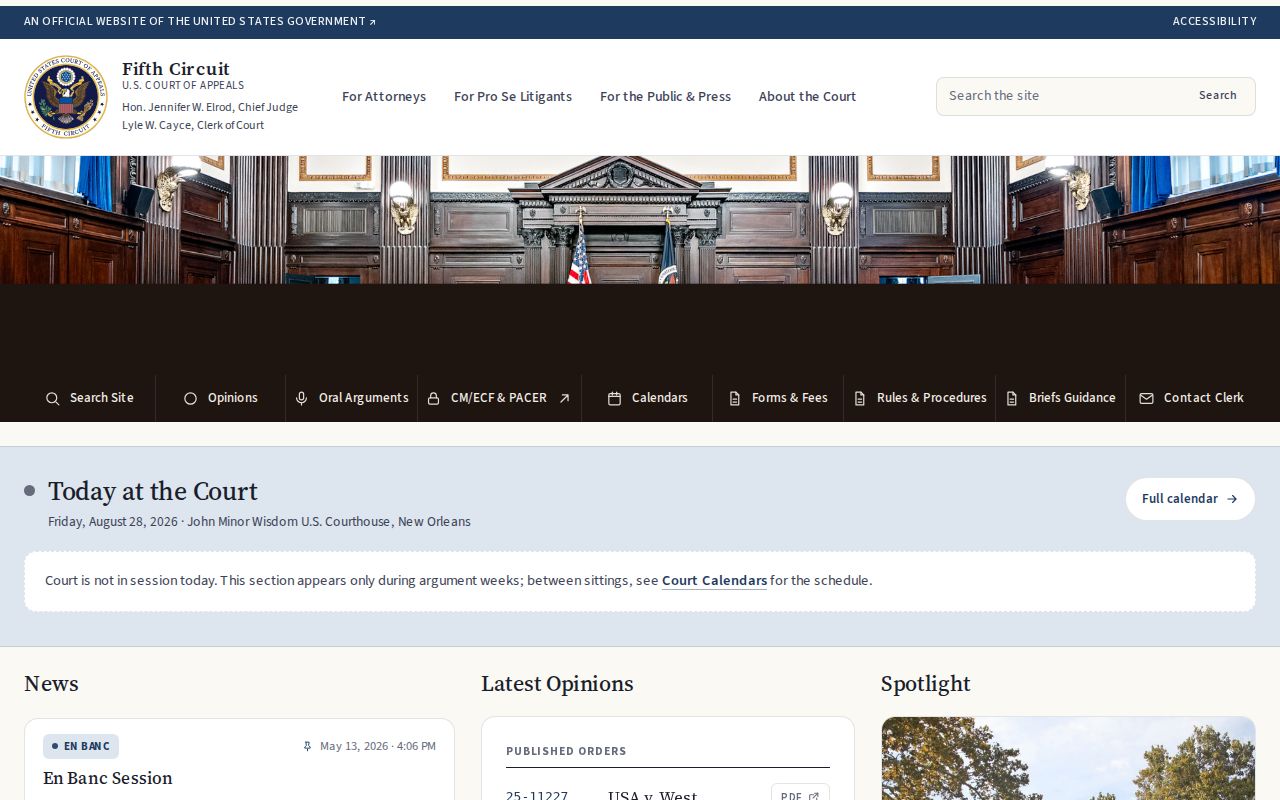
An appellate number complements the district file rather than replacing the original docket.