
How to Search the Lee County Court Docket
No single free search box covers every trial-level case in Lee County. Start from the court named on your notice. Or let the record type point the way. Circuit and County Court cases live with the Circuit Clerk and the First Circuit MEC system. Chancery matters sit with a different clerk on a separate system. Justice Court and municipal cases stay with their own offices. Getting this right at the start pays off. It keeps a payment receipt, a land-record index, or a calendar row from standing in for a full docket.
Gather the citation or cause number, the court, the filing year, and the exact item you want. A name can find an index entry. But confirm it against the court, case type, filing date, and the current docket entry before trusting it. Records can be restricted. They can exist only on paper, move up on appeal, or sit in a different index format. When you need an official copy, ask the responsible clerk for the docket entries, order, or document by name.
- Identify the Lee County, city, or federal court named on the case notice.
- Preserve the cause or citation number, including year, punctuation, and suffix.
- Use the official MEC, calendar, city route, or clerk that serves that court.
- Match the result to court, case type, filing date, and latest entry.
- Ask about inspection, copies, certification, and restricted portions.
Note: A Lee County name search is only an index aid. It does not prove a result belongs to a particular person or that a case was resolved.
Lee County Court Docket Systems
Court access in Lee County is really a map of several clerks. The Circuit Clerk holds Circuit, County, and Youth Court records. The Chancery Clerk keeps Chancery files and minutes. The Justice Court clerk and each municipal clerk hold their own. PAMEC is a statewide subscriber layer. It serves participating trial courts, and it is not a free universal Lee County case search. Which path fits depends on the court. It also depends on whether you need a setting or a document, and whether the file is public.
The Lee County Circuit Clerk lists the general docket, parties, plea and indictment information, papers, orders, the minute book, the execution docket, and proceedings for its courts. That reach stops at the office's own courts. It does not make the clerk the home of Chancery, Justice, municipal, or federal cases. Starting with the correct clerk saves you a referral and keeps the request narrow.
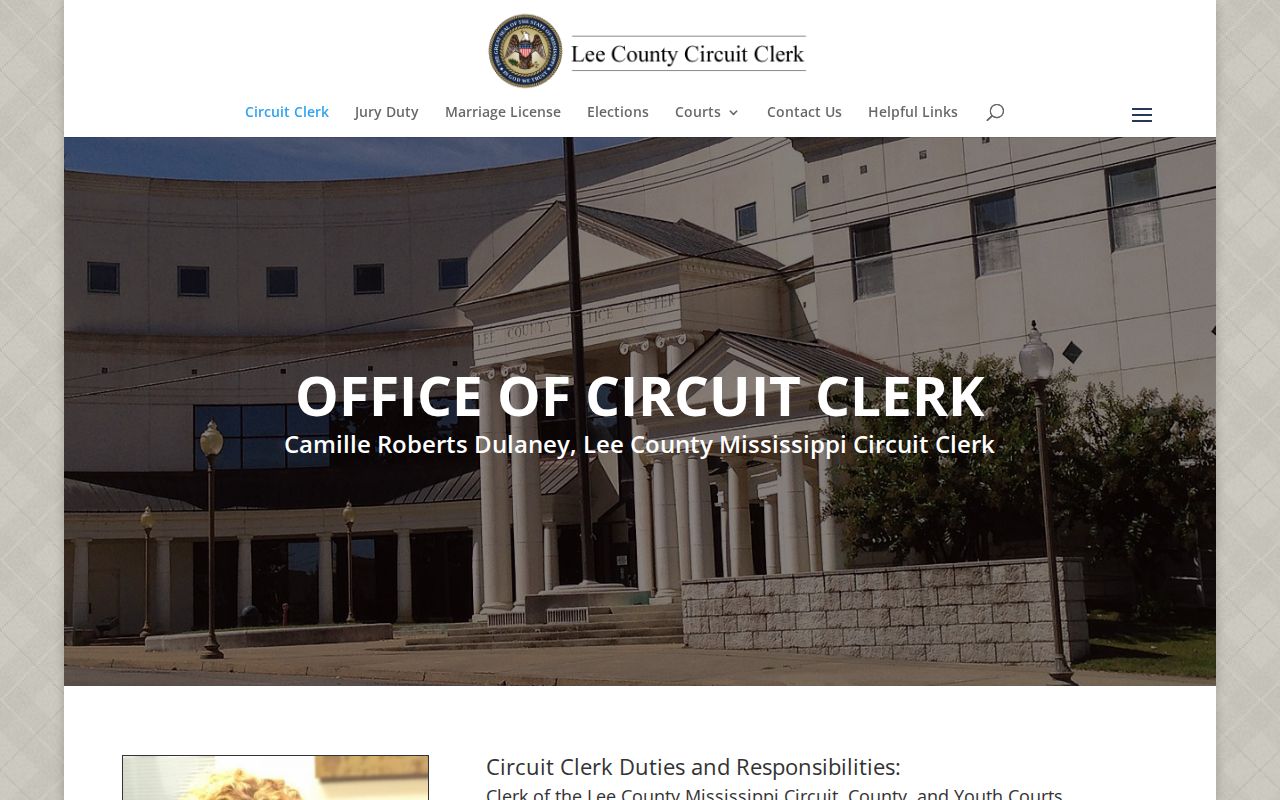
The clerk's official page explains its records role. That role sits behind the Circuit, County, and Youth Court route.
That split in offices is also why a payment confirmation can never stand in for a complete Lee County court record.
What a Court Docket Shows
Think of a docket as a case record laid out in order. A Lee County docket can show a lot. The court, cause number, parties, filing date, judge, entries, settings, and visible status can all appear. It may point to a linked document or an appeal. It is not the pleading itself. Nor is it the signed order, an exhibit, a transcript, or the full payment ledger. A calendar row is narrower still. It can give you a hearing date. It says nothing about every filing or the ruling that follows it.
| Cause number | The court-assigned identifier. Preserve year, county code, hyphens, and suffixes. |
|---|---|
| Case fields | Court, type, party roles, filing date, attorney, and judge where public. |
| Docket entries | Dated actions such as motions, orders, pleas, settings, judgments, and appeal references. |
| Settings | Hearing or trial date, time, location, and setting type. Continued dates need rechecking. |
| Status | Workflow information that must be read with the entry or signed order. |
| Access limits | Sealed, youth, adoption, redacted, expunged, or restricted material may be absent. |
First Chancery calendar rows carry a cause number, parties, attorneys, the nature of the matter, estimated time, and status labels. That row gives setting context, but it does not replace the Lee County Chancery case file.
Lee County MEC and PAMEC Access
First Circuit CourtInfo covers the Mississippi Electronic Court system. It identifies Lee County Circuit Court and Lee County County Court there. Its material shows a go-live date of February 7, 2022. Remote public access runs through PAMEC registration. The registration path splits Attorney, Non-Attorney, and Firm Administrator roles. Ordinary public research takes the non-attorney route. Registration carries a $10 annual public-access fee, so check current terms before signing up.
The MEC procedures describe another option. Public users get free electronic access at the clerk's office during regular hours. Copies can still carry a statutory fee. The Justice Center terminal matters. It is a key Lee County fallback when remote access fails or does not fit. Public MEC access is read-only without an authorized filing account. And it never turns a municipal payment vendor into a docket portal.
First Circuit CourtInfo identifies the Lee County venue and its access environment.

The county listing confirms it. A clerk contact stays part of the Lee County access chain whenever an electronic search cannot answer a records question.
Which Courts Keep Dockets
Several trial-level offices keep court records in Lee County. Circuit Court takes felony criminal cases and broad civil matters. County Court covers local civil claims up to $200,000, misdemeanor appeals, and eminent-domain matters. Chancery Court handles equity, domestic relations, probate, guardianship, and adoption. Related files sit there too. Justice Court and the city municipal courts run separate traffic, misdemeanor, and ordinance routes. Federal matters belong to the Northern District of Mississippi.
| Court | Docket covers | Where to start |
|---|---|---|
| Lee Circuit and County Court | Felonies, broad civil cases, County Court civil matters, and described appeals. | Circuit Clerk or First Circuit MEC/PAMEC. |
| First Chancery District | Domestic, probate, guardianship, adoption, equity, and Chancery settings. | Chancery Clerk, calendar, or Chancery MEC. |
| Lee Justice Court | Small civil, misdemeanor, and traffic matters in its jurisdiction. | Justice Court clerk and office. |
| Municipal courts | City ordinances, city traffic, and municipal misdemeanor matters. | Individual city court or clerk. |
| Northern District | Federal civil and criminal cases. | PACER or the federal clerk. |
Note: The Lee County land-record index helps with a deed or instrument, not a Chancery lawsuit docket.
Reading Lee County Cause Numbers
For a Lee County docket, the cause number is usually the best key. Keep it exactly as printed, punctuation and court or county suffix included. A Lee Chancery calendar sample used a pattern like 26-####-41-M. A Lee code appears in the calendar context. Treat that as a format clue only, not a number belonging to some other court. Circuit, County, Justice, municipal, federal, and appellate systems can each use different identifiers.
If a case moves on appeal, keep both the lower-court number and the receiving-court number. Write down the city and the citation number. Do that before asking a Lee County office about an appeal on a city citation. Matching the court, category, date, judge, and latest entry matters. That is what keeps a name-only result from being read as a final outcome.
The First Chancery calendar format shows why. An identifier needs its court and setting date attached.
The First Circuit covers seven counties, not just one. So check any calendar row for Lee County before relying on it to route a case.
Finding Court Dates and Settings
Trust the source closest to the case first. Start with a signed notice or order. Direct confirmation from the clerk or Court Administrator comes next. After those, the official docket entry outranks an official calendar. First Circuit's online calendar sits behind a login. Its warnings are real: it may omit settings, change without notice, and offer no promise of accuracy or completeness. It can help you spot a setting. It should never be the last check before you appear. The Court Administrator and Circuit Clerk both provide Lee County confirmation paths, so use them. First Chancery posts its calendars by chancellor and date. Labels such as continued, settled, or first setting can appear. Justice Court holds recurring Tuesday and Thursday sessions, civil at 9:00 a.m. and criminal at 1:30 p.m. The office must confirm an individual cause or citation. For the full process, see the Lee County court calendar.
Lee County Calendar Status Terms
Labels on a Lee County calendar describe scheduling only. They say nothing about the legal result of the case. On the public First Chancery pages, continued means the listed setting moved or carried forward. Settled is still just a calendar status. A dismissal, agreed order, or other filed record is needed for legal effect. Think of first setting as an initial scheduled appearance and nothing more. The nature-and-estimated-time column helps you plan a hearing day. But it cannot supply the signed order or a full docket history.
- Setting
- A scheduled hearing, trial, motion day, or other court appearance.
- Continued
- A setting has moved; confirm the replacement date with the court or clerk.
- Settled
- A calendar label that should be checked against a filed dismissal or order.
- Disposition
- The case result shown by the controlling docket entry or signed judgment.
Save three things when you search: the cause number, the hearing date, and the source you used. Then verify any status that affects an appearance or a records request.
Lee County Justice Court Schedule
Justice Court is its own Lee County office, split into four districts. Its published rhythm repeats weekly. Sessions fall on Tuesday and Thursday, civil at 9:00 a.m. and criminal at 1:30 p.m. Those times describe recurring sessions, not the next date for every case. A traffic citation may be payable. It may instead be set for a plea day, require an appearance, or later go to trial. Before you call, gather a few things. Have the district, the citation or cause number, and an approximate date ready. Justice records never replace municipal court records. Tupelo, Saltillo, Verona, Baldwyn, Guntown, and other cities run separate municipal routes. The court named on the citation controls. A county payment channel may accept a permitted payment. Yet it need not show a continuance, a plea, a signed order, or a complete disposition. The Lee County contact directory helps you pick the right office before making a request.

The directory lists separate Circuit, Chancery, Justice, Youth, and related contacts for different Lee County records.
Public Access to Dockets
Mississippi public-record rules support access. But a public docket does not put every document or field online or unredacted. You may see a case number and setting. Yet protected addresses, financial-account data, confidential exhibits, youth information, adoption material, and sealed or expunged records can stay unavailable. Ask for the specific docket entry or document you need. Let the clerk identify and redact the restricted portions.
Key rules:
Mississippi Public Records Act, §25-61-5 concept supports access subject to reasonable procedures, cost, time, place, and redaction.
Mississippi MEC Administrative Procedures describe PAMEC access, courthouse terminals, redaction, and copy rules.
Lee County Youth Court information describes a confidential process, not an ordinary adult docket search.
Lee County Chancery Clerk guidance states that adoption records are sealed.
When a result is missing, the accurate phrase is "not publicly visible in the searched system." An empty result can mean many things. The wrong court, a restriction, a paper file, a transfer, a system limit, or a number-format difference could all be behind it.
Lee County Court Access Limits
Lee County access limits matter most when a result is absent or sparse. Youth Court files are confidentiality-sensitive. Chancery adoption records are sealed. MEC may display restriction flags. These cover sealed, expunged, minor-child, and other limits, but a flag alone is neither an explanation nor permission to infer facts. Never rebuild a restricted record from a partial calendar line. The same warning applies to a payment screen or an older source. A narrow request is the useful next step. Name the court, the cause number, the date range, and the exact item. Ask whether an accessible nonexempt portion exists. Ask which fee applies, and the basis for any access denial. A written answer separates a true legal restriction from a wrong-clerk or technical problem. The Lee County clerk holding the original file controls the individual release path. Note: a charge, pending flag, calendar label, and payment status each describe a different event. None of them alone establishes a final disposition.
The Clerk and Docket Records
Camille Roberts Dulaney is the Lee County Circuit Clerk named on the official clerk pages. Her office keeps Circuit, County, and Youth Court records, including the general docket and proceedings. The office sits on the first floor of the Lee County Justice Center. That is 200 West Jefferson Street in Tupelo. Route records for those courts here. Chancery files go to Bill Benson's Chancery office instead. Justice matters go to the separate Justice Court office. Municipal records go to a city clerk.
Lee County Circuit Clerk
200 West Jefferson Street, first floor
Tupelo, MS 38804
662-432-2300
The First Circuit courthouse location page distinguishes the Justice Center contacts and floors.
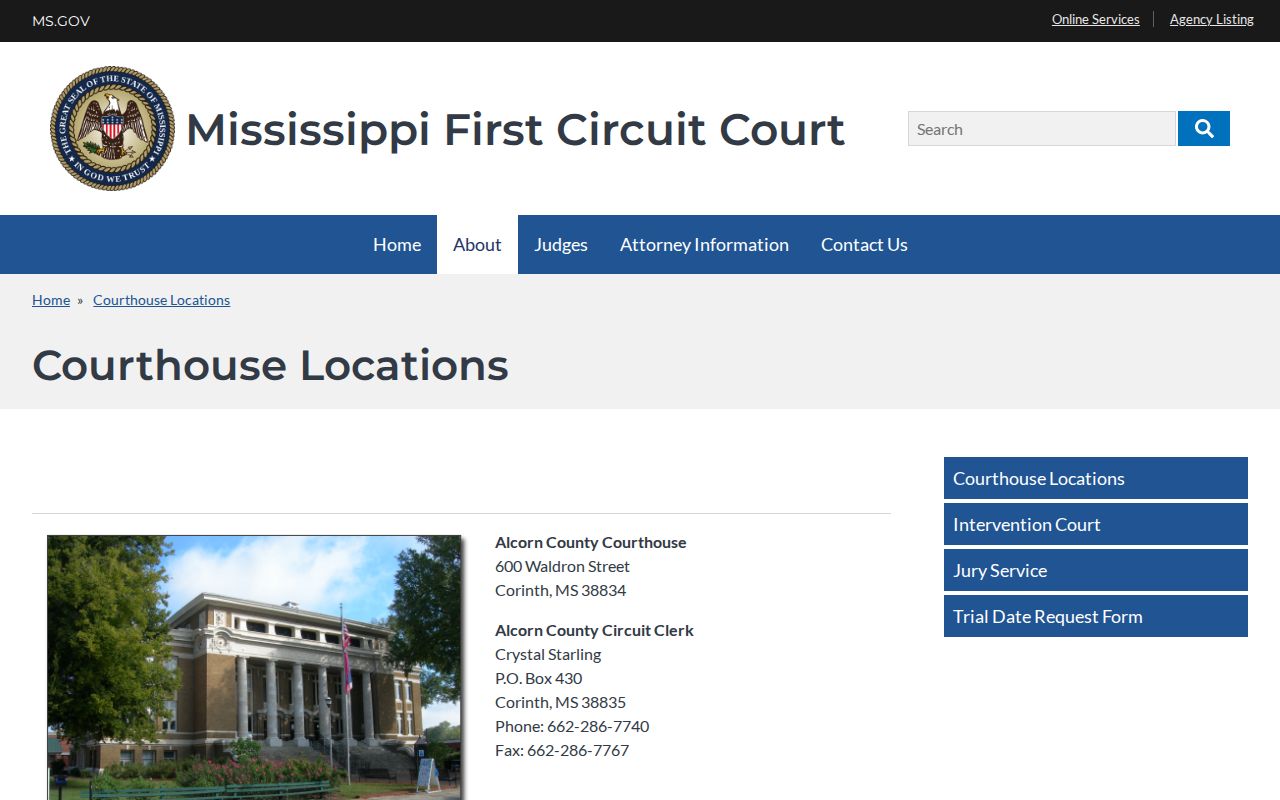
The floor-by-floor contact layout is no accident. Several Lee County court functions share one building without sharing a single record desk.
Lee County Court Record Fees
Fees vary by court and transaction. Chancery publishes a copy schedule. Circuit and County Court requesters should ask for the current charge before ordering anything. PAMEC's remote subscription is separate from copying costs. Justice Court's civil filing and abstract charges are not a universal copy schedule. They should never be applied to a traffic citation. Vendor and card charges sit apart from court costs or a certified copy fee.
| Record route | Published fee or rule |
|---|---|
| Chancery self-copy | $0.25 per page. |
| Chancery staff copy | $0.50 per page. |
| Chancery certification | Additional $1.00. |
| PAMEC public registration | The researched flow displayed a $10 annual fee; confirm current terms. |
| Justice Court abstract | $5 per case after the 30-day appeal period; it is not a complete file. |
The Chancery Clerk page is the source for its copy and certification schedule.
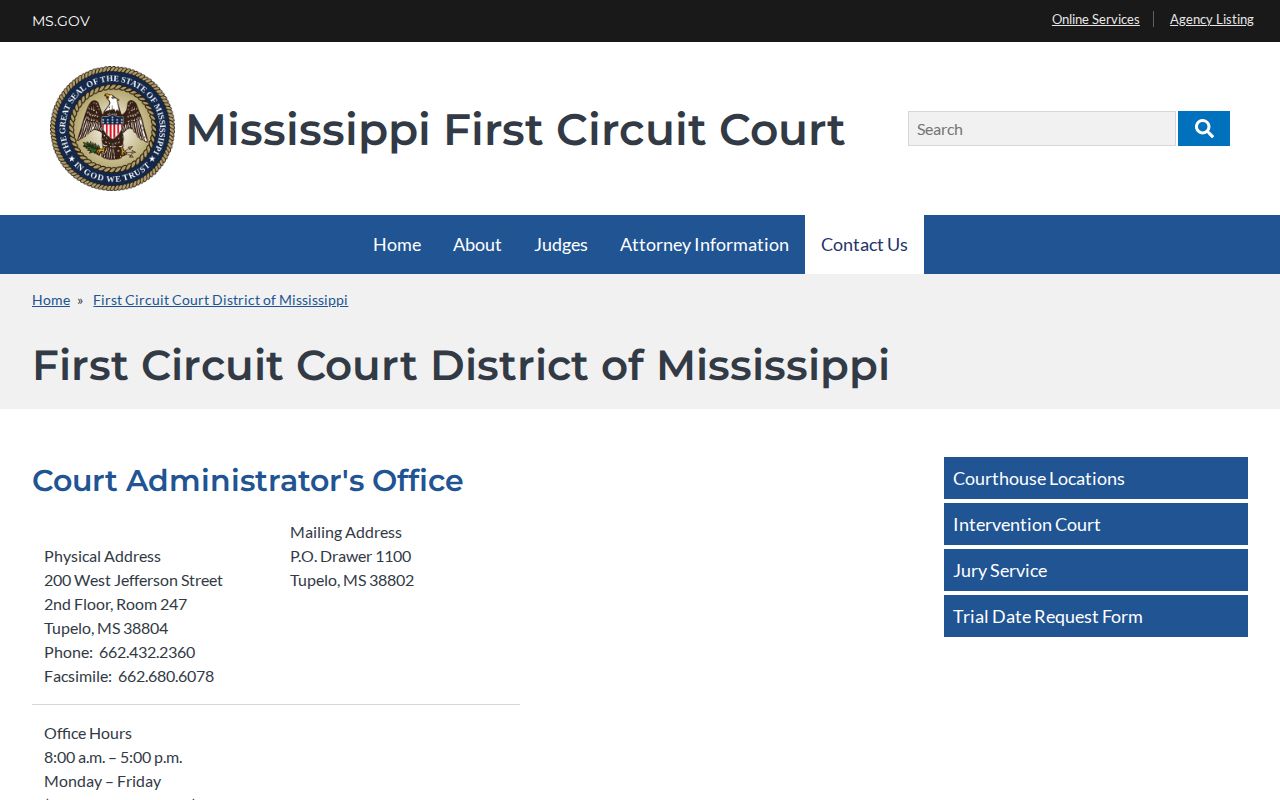
Lee County court access also runs through court administration for settings. So confirm whether a fee concerns a copy, a calendar, a filing, or a payment.
Court Dockets by City in Lee County
Municipal dockets live with each city, not the county courthouse. Tupelo posts a municipal court page plus older docket PDFs. Saltillo names its clerk and shows how to pay a ticket there. Verona's online route centers on payments. Baldwyn and Guntown have no full public docket portal. A call to city hall or the clerk is the practical fallback for a court docket lookup. Whichever city you got a citation in, follow the court printed on the ticket rather than the address where you live.
Tupelo Court Docket
2020 population 37,923 · City ordinances, speeding tickets, and code violations.
Saltillo Court Docket
2020 population 4,922 · City clerk and Police Department court route.
Baldwyn Court Docket
2020 incorporated-place total 3,071 · Confirm court and county.
Verona Court Docket
2020 population 2,792 · Clerk route beyond payment support.
Guntown Court Docket
2020 population 2,410 · City Hall is the municipal-record fallback.
The Census incorporated-place table provides the city ranking.
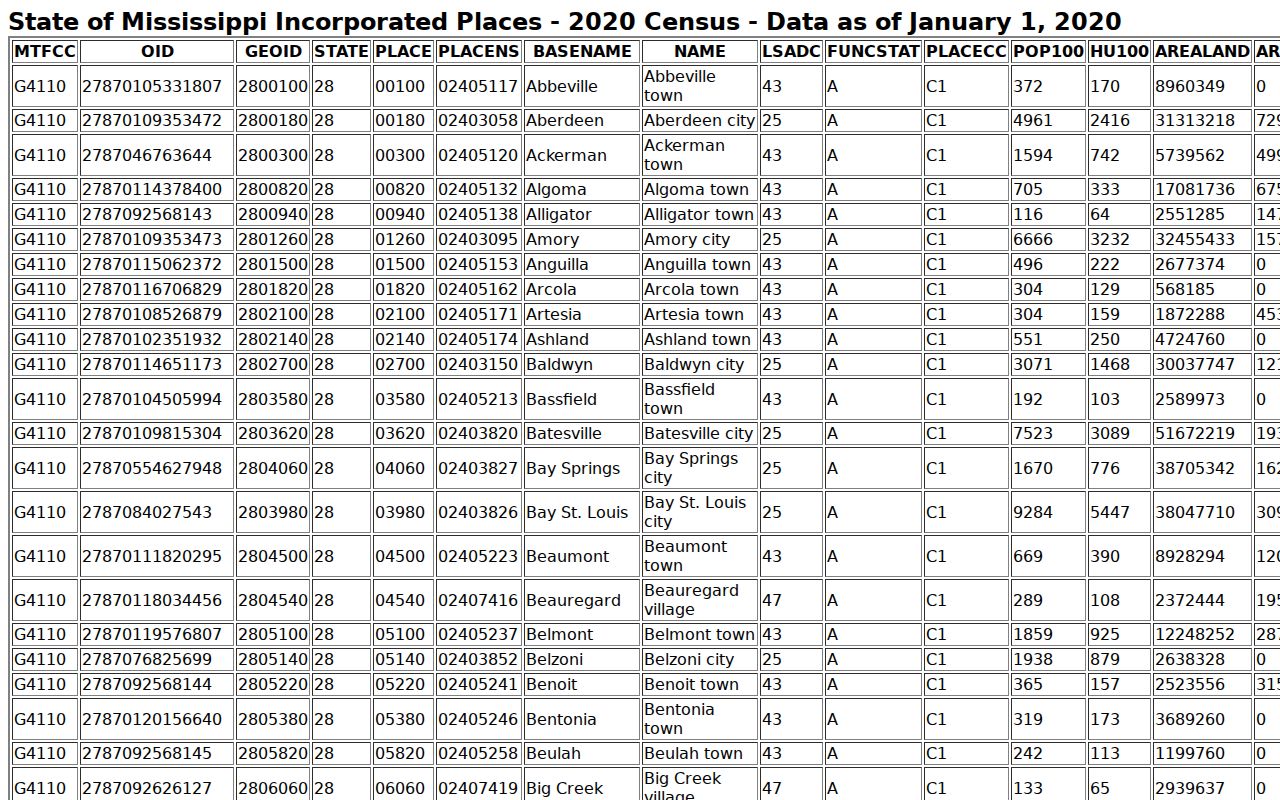
The top-five list reflects that ranking, and Baldwyn's reach across county lines is one more reason to route a docket question carefully. The Mississippi Judicial Directory page lists current court and municipal contacts when you need to double-check where a case belongs.
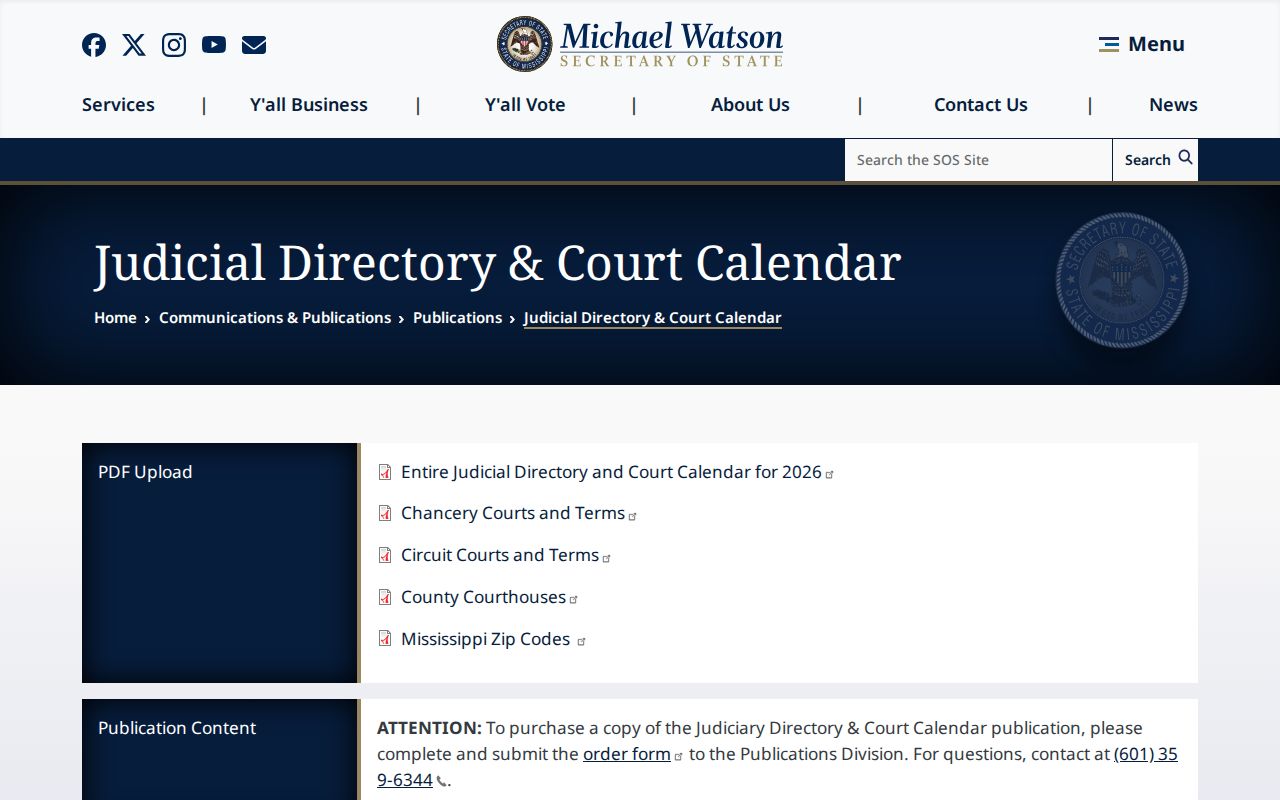
Contacts shift over time, so verify details with the court named on your case. The MARIS judicial redistricting and caseload resource adds statewide context for how courts and caseloads are organized.
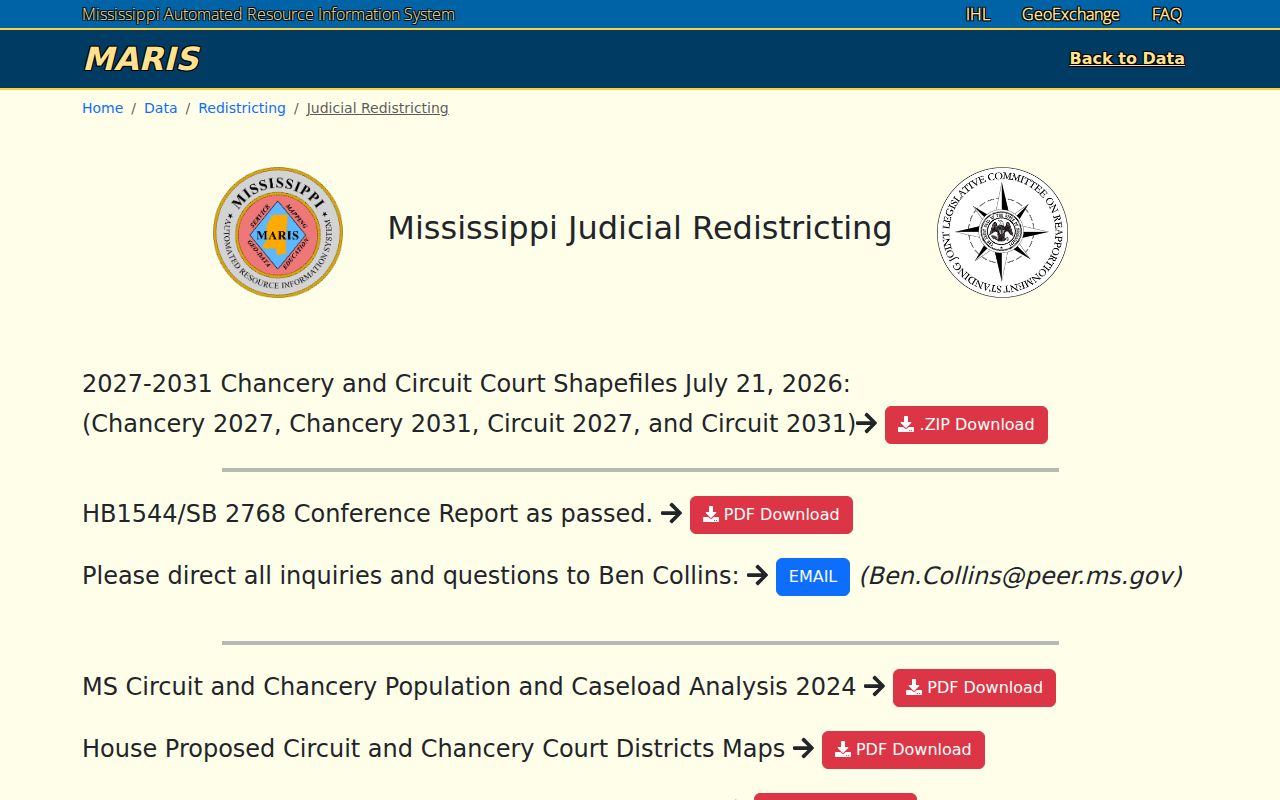
Treat it as a comparison tool only. It is not a live Lee County docket, and it cannot replace the clerk who keeps the actual court records.
Map and Directions to the Lee County Justice Center
Circuit, County, and Youth Court records are all filed with the Circuit Clerk on the first floor of the Lee County Justice Center, 200 West Jefferson Street in Tupelo. Circuit Court proceedings and First Circuit administration are handled on the second floor, so a hearing can send you upstairs even though the clerk's counter and general docket stay on the first floor. Chancery and Justice Court files are kept at separate offices, not inside this building.
Lee County Justice Center
200 West Jefferson Street, first floor
Tupelo, MS 38804
662-432-2300
Monday through Friday, 8:00 a.m. to 5:00 p.m.
Circuit and County Court fines are paid in person on the first floor with correct change or by money order, or mailed with the case number to P.O. Box 762, Tupelo, MS 38802. Because Circuit, Chancery, and Justice Court are separate desks with separate phone lines, confirm which office holds the file and which floor to use before making the trip.